
What role does biomedical engineering play in cardiac care?
Biomedical engineering has become an important part of modern cardiovascular medicine by combining engineering principles with clinical knowledge. It supports the development of technologies that help medical professionals understand heart conditions, monitor cardiovascular health, and improve treatment approaches. The subject of Dr Carlo Bartoli and biomedical engineering highlights the importance of connecting scientific research with practical cardiac applications. Through advanced medical equipment, innovative diagnostic systems, and carefully designed healthcare technologies, biomedical engineering continues to contribute to more informed and effective cardiac care.
How does medical imaging improve heart-related diagnosis?
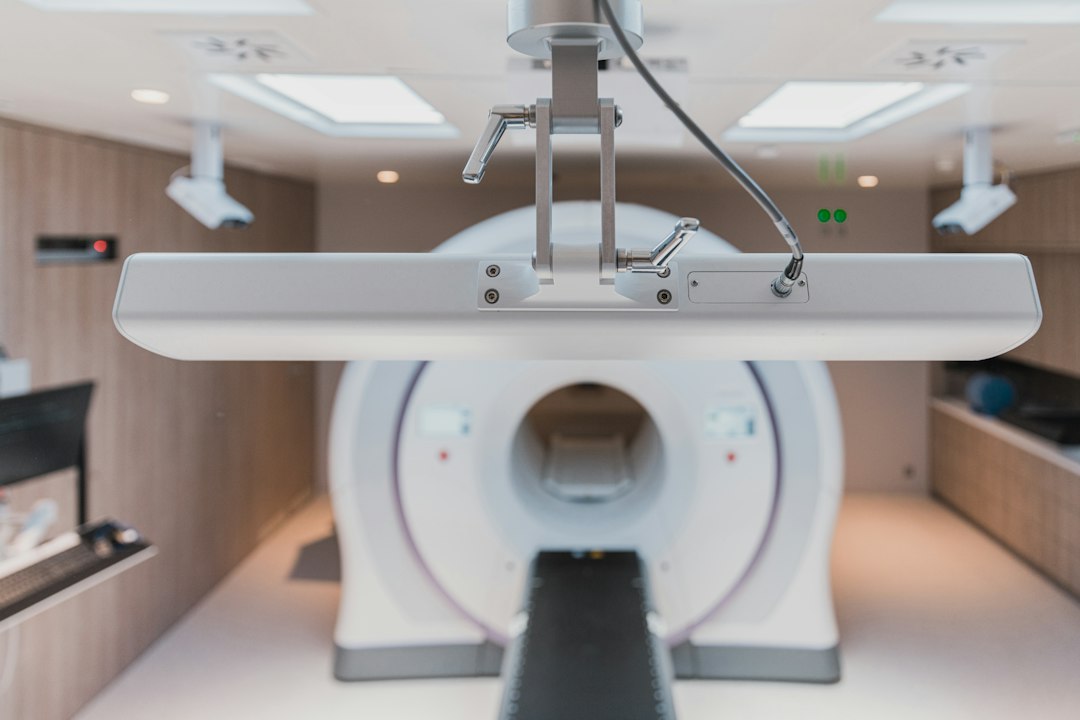
Medical imaging is one of the most valuable applications of biomedical engineering in cardiology. Technologies such as echocardiography, magnetic resonance imaging, and computed tomography allow healthcare professionals to examine the heart’s structure and function. These systems provide detailed information about heart chambers, valves, blood flow, and surrounding tissues.
Biomedical engineers contribute by improving image quality, developing specialized equipment, and creating software that helps physicians interpret diagnostic information. Better imaging capabilities can support earlier identification of cardiovascular abnormalities and help specialists select appropriate examination methods.
Why are monitoring technologies important for cardiovascular patients?
Continuous monitoring helps healthcare providers understand how the heart performs under different conditions. Electrocardiogram systems record electrical activity, while wearable monitoring devices can collect information about heart rate and rhythm during everyday activities.
In this area, Dr Carlo Bartoli represents a useful subject for exploring the relationship between biomedical engineering concepts and cardiovascular technology. Engineers work to make monitoring equipment more reliable, comfortable, and accessible. These improvements can help medical teams identify unusual patterns and evaluate patients who require continued observation.
How do artificial cardiac devices support treatment?
Biomedical engineering has contributed significantly to the development of devices designed to support heart function. Pacemakers, implantable cardioverter-defibrillators, and ventricular assist devices are important examples.
Pacemakers help regulate abnormal heart rhythms, while defibrillators can detect and respond to certain dangerous rhythm disturbances. Ventricular assist devices support blood circulation when the heart cannot pump effectively on its own.
Designing these technologies requires careful attention to materials, electrical systems, durability, and compatibility with the human body. Engineers also collaborate with medical professionals to improve device performance and patient safety.
What is the importance of biomedical materials?
Medical materials are essential for developing implants and cardiovascular devices. These materials must be suitable for contact with biological tissues and should maintain their intended properties inside the body.
Biomedical engineers investigate material strength, flexibility, resistance to wear, and compatibility with surrounding tissues. Their work contributes to the development of heart valves, vascular implants, and other medical components.
How can engineering improve cardiac treatment planning?
Computer-based simulations allow specialists to examine cardiovascular structures and study possible treatment approaches. These tools can support surgical preparation and provide additional information about complicated cardiac conditions.
Digital models also help researchers understand blood movement and mechanical stress within cardiovascular structures.
What does the future hold for biomedical engineering in cardiology?
Future developments may include smarter wearable monitors, improved artificial heart technologies, advanced imaging software, and personalized medical devices. Research involving Dr Carlo Bartoli and biomedical engineering provides an opportunity to examine how scientific innovation can contribute to evolving cardiovascular healthcare.
Ultimately, biomedical engineering strengthens the connection between technology and medicine. Its applications continue to support better diagnostic processes, thoughtful treatment planning, and improved monitoring for individuals living with cardiovascular conditions.
Quick Summary
- Biomedical engineering combines engineering principles with clinical knowledge to enhance cardiac care.
- Medical imaging technologies like echocardiography and MRI provide detailed insights into the heart’s structure and function.
- Continuous monitoring through devices like electrocardiograms and wearables allows for real-time assessment of heart performance.
- Artificial cardiac devices, including pacemakers and ventricular assist devices, play crucial roles in supporting heart function and improving patient outcomes.
- Biomedical materials are essential for creating implants and devices that interact safely with biological tissues.
- Future advancements in biomedical engineering may lead to smarter monitoring systems and personalized medical devices for cardiac patients.




Leave a Reply