
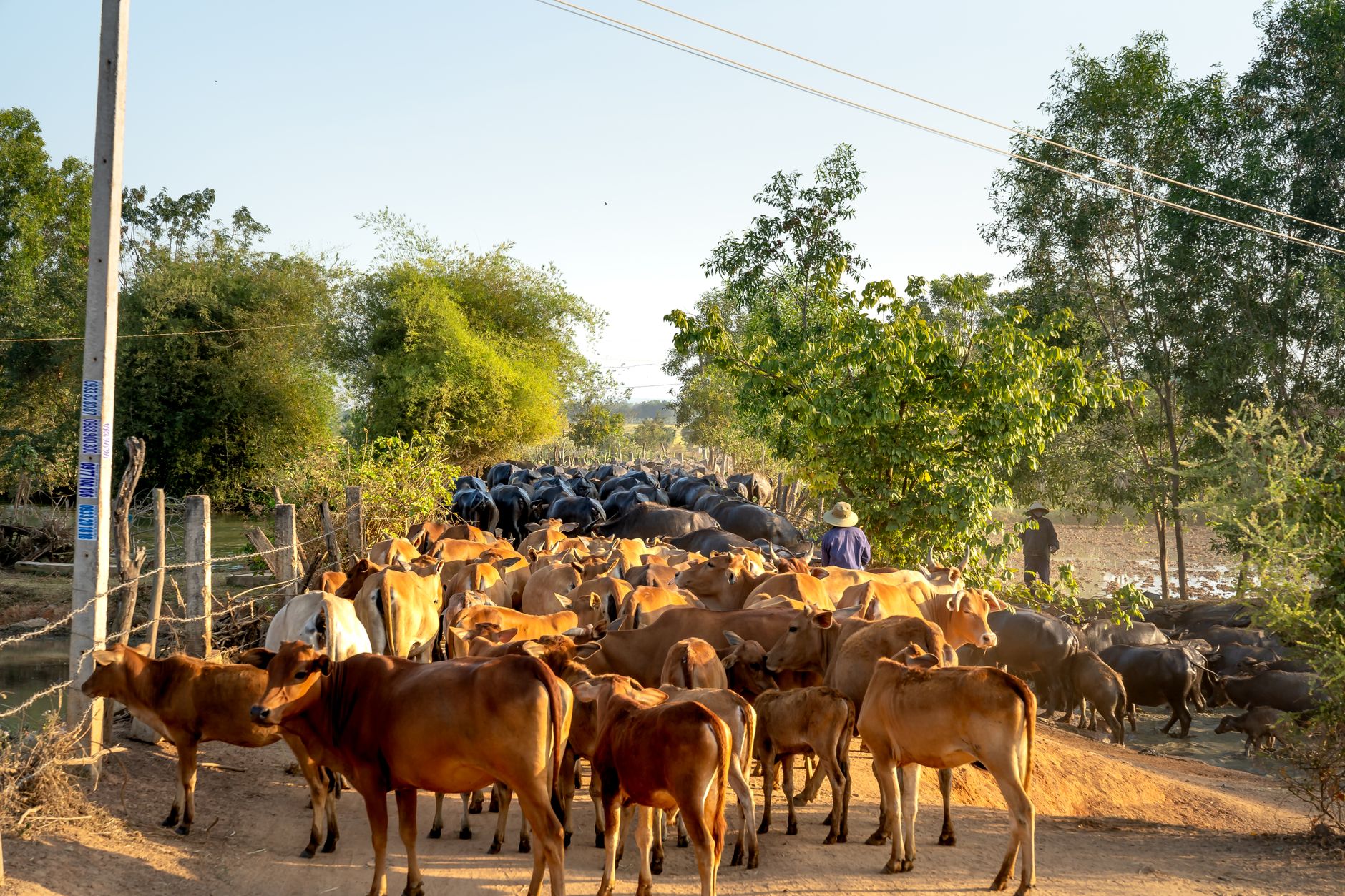
Traditional community gatherings are an important part of rural life in many regions of southern Thailand. They provide opportunities for families, farmers, and neighbors to share experiences, celebrate local customs, and strengthen social relationships. The tradition of วัวชนแดนใต้.net is connected with certain regional gatherings where cattle ownership and local identity have historical significance. These occasions also reflect the importance of agriculture and community participation.
Why Do Traditional Gatherings Matter?
Community gatherings bring people together through shared activities and cultural experiences. In rural areas, such occasions may include local markets, food preparation, music, traditional performances, and agricultural displays. They create opportunities for residents to reconnect with relatives, meet visitors, and exchange knowledge.
For farming families, gatherings can also provide a setting to discuss livestock management, crop production, and seasonal challenges. Older community members may share practical experiences with younger generations, helping preserve knowledge that might otherwise gradually disappear.
How Are Cattle Connected With Local Customs?
Cattle have historically played several roles in rural communities. They may represent valuable household assets, support agricultural activities, and contribute to family livelihoods. Their care requires knowledge of feeding, breeding, health monitoring, and suitable housing.
In communities where traditional cattle-related events take place, owners may prepare animals for public displays and organized gatherings. Such preparations often involve transportation arrangements, health assessments, and coordination between participants. Customs differ across locations, so each community may maintain its own approach.
What Activities Bring Communities Together?
Traditional gatherings can include several activities beyond livestock-related events. Local food stalls allow families to prepare and share regional dishes, while cultural performances introduce visitors to local music and artistic expressions. Agricultural exhibitions can demonstrate farming methods, tools, and traditional products.
Children and younger visitors may learn about rural occupations through conversations and educational activities. These experiences help them understand how agriculture contributes to community identity and everyday life.
How Can Animal Welfare Be Protected During Gatherings?
Responsible planning is essential whenever cattle attend public events. Organizers should provide clean water, adequate shade, secure resting spaces, and suitable transportation arrangements. Animals should receive veterinary assessments, and those showing signs of illness or injury should not be exposed to unnecessary activity.
Handlers should use calm, gentle methods and avoid overcrowding or deliberate provocation. Community traditions can be recognized through educational presentations, livestock exhibitions, and non-harmful demonstrations that respect animal comfort and safety.
How Can Traditions Continue Across Generations?
Preserving traditional gatherings requires cooperation between families, farmers, and community organizers. Recording local stories, teaching agricultural knowledge, and encouraging younger residents to participate in cultural activities can strengthen connections with the past.
Traditional community gatherings remain meaningful because they bring people together through shared experiences. By combining cultural appreciation with responsible livestock care, communities can maintain their heritage while promoting respect, cooperation, and animal welfare.
Quick Summary
- Traditional community gatherings in rural southern Thailand strengthen social relationships among families, farmers, and neighbors.
- Cattle ownership is historically significant in these regions and is often highlighted during community events.
- Gatherings provide opportunities for knowledge exchange between older and younger generations about livestock management and agricultural practices.
- Activities at these gatherings include local food stalls, cultural performances, and agricultural exhibitions that showcase traditional practices.
- Responsible planning for cattle welfare at public events includes providing clean water, shade, and veterinary assessments.
- Preserving these traditions involves recording local stories, teaching agricultural knowledge, and encouraging youth participation in cultural activities.




Leave a Reply